


Top 10 Tips for Your Kitchen Interior Design
Introduction
Your kitchen is where life happens—morning coffees, family dinners, late-night snacks. Getting the design right means creating a space that works for how you actually live, not just what looks good online.
Why Kitchen Design Matters
A well-designed kitchen makes everything easier. You’ll waste less time hunting for things and actually enjoy cooking. Plus, it adds real value to your home. When your kitchen flows properly, cooking stops feeling like a chore and becomes something you might genuinely look forward to.
Tip 1: Start with a Functional Layout
The Importance of the Work Triangle
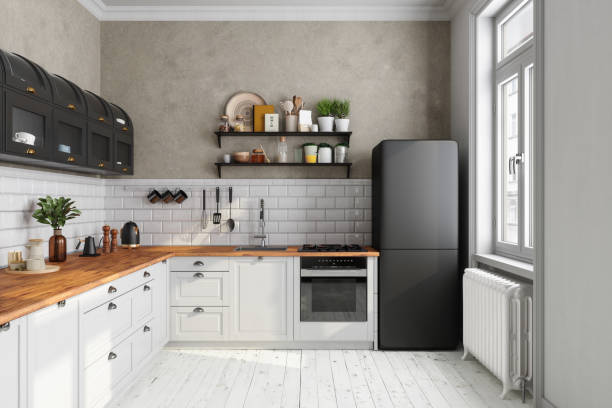
Your fridge, sink, and hob form a triangle—keep them 4 to 9 feet apart. This means you’re not walking marathons just to make dinner. My neighbour ignored this in her renovation, and now she walks about 20 steps just to make tea. Learn from her mistake.
Balancing Efficiency and Space
Think about how you use your kitchen on busy weeknights. Do two people cook together? Leave at least 42 inches between your island and cabinets—48 if multiple people work simultaneously. Nobody wants to do the awkward “excuse me” dance every evening.
Warm vs Cool Tones
Warm colours like creams and terracotta create cosy, inviting spaces—brilliant for kitchens with less natural light. Cool tones like greys and blues feel fresh and make small spaces look bigger. Check how colours look at different times of day before committing.
Using Colour to Create Mood and Space
Light colours make small kitchens feel larger. Got a big space with tons of light? Don’t fear darker tones—navy or dark green cabinets look stunning with lighter worktops. Use the 60-30-10 rule: 60% main colour (cabinets), 30% secondary (walls/worktops), 10% accent (handles, décor). And please test paint samples on large wall sections first.
Tip 3: Invest in Quality Lighting
Layered Lighting Strategy
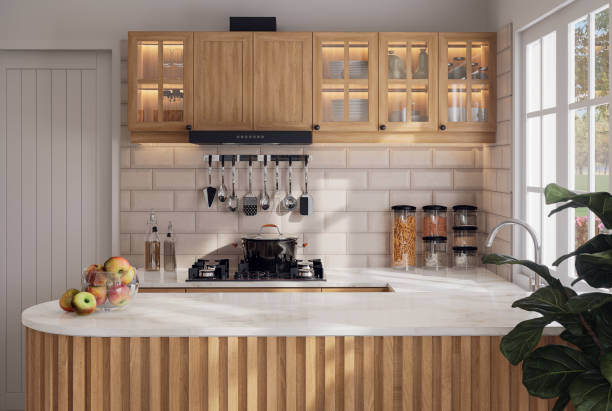
Think of lighting in layers. Ceiling lights give overall brightness, under-cabinet strips illuminate worktops for cooking, and accent lighting (like pendants over islands) adds atmosphere. Together, they make your kitchen both functional and inviting.
Task vs Ambient Lighting
Under-cabinet LED strips are game-changers—no more chopping in your own shadow. Pendants over islands provide focused light and look gorgeous. Make your main lights dimmable: bright for cooking, softer for entertaining. Aim for 50 lumens per square foot, with more in work areas.
Tip 4: Maximise Storage Solutions
Smart Cabinets and Pull-Out Drawers
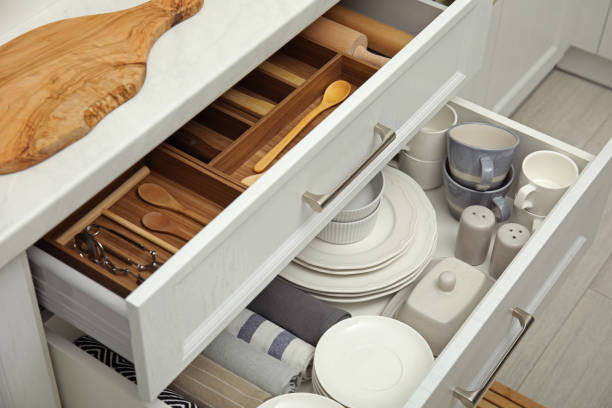
Pull-out drawers are life-changing—no more crawling around hunting for pans. Get vertical dividers for baking trays, pull-out spice racks so you can see what you’ve got, and carousel systems for awkward corners. Soft-close mechanisms are worth the extra money.
Hidden Storage Ideas
Toe-kick drawers under base cabinets store baking trays perfectly. Use the backs of cupboard doors for hooks and racks. Hide bins in pull-out units. The goal is clear worktops—they make your kitchen feel calmer and bigger.
Tip 5: Select Durable and Stylish Materials
Countertops, Flooring, and Splashbacks
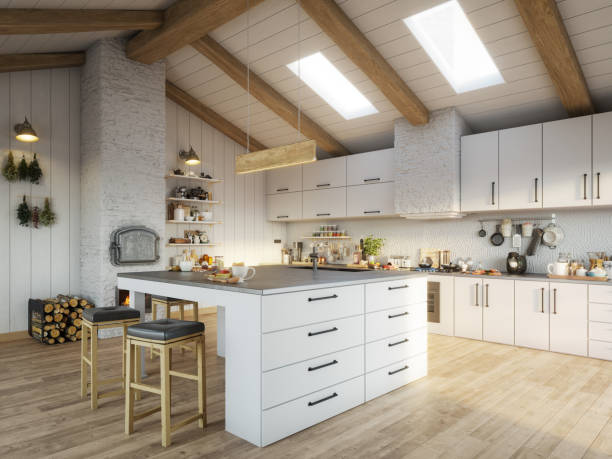
Quartz worktops look great and need minimal maintenance. Granite gives you natural beauty but needs occasional sealing. Wood creates warmth but requires care. For floors, porcelain tiles are tough and water-resistant, whilst luxury vinyl mimics natural materials brilliantly. Choose splashback materials that complement your worktops and are easy to clean.
Balancing Beauty and Practicality
Be honest about your lifestyle. Marble looks incredible but stains easily—not ideal if you’ve got messy kids or cook a lot. Quartz gives similar looks with virtually zero upkeep. Get samples and check how they look in your actual kitchen lighting before deciding.
Tip 6: Incorporate Modern Appliances
Energy-Efficient Choices
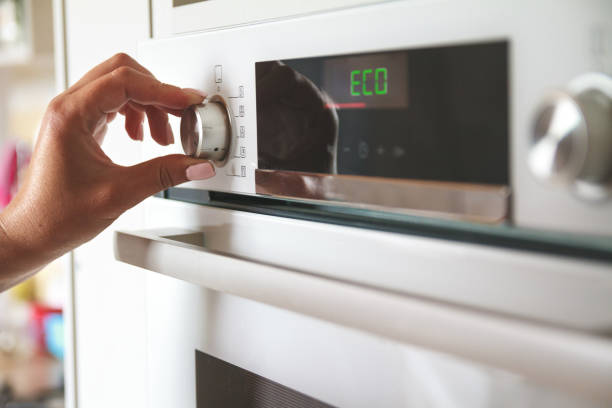
Look for A-rated appliances—they’ll save you money and help the environment. Induction hobs heat faster, use less energy, and are easier to clean. Yes, they cost more upfront, but you’ll make it back on energy bills.
Seamless Integration in Design
Panel-ready appliances disappear into your cabinetry for a sleek look. Or make them a feature—a statement range cooker or professional-style fridge can become your kitchen’s focal point. Just position them logically within your layout.
Tip 7: Focus on Ventilation
Why Ventilation Matters
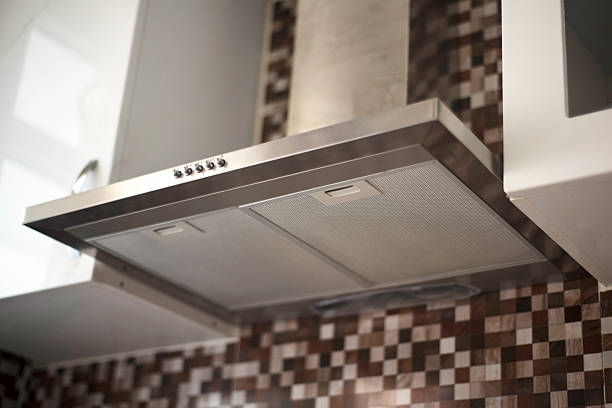
Proper ventilation removes cooking smells, steam, and grease before they settle everywhere. Without it, you risk mould, moisture damage, and that permanent cooking smell. It protects your kitchen and makes cooking more comfortable.
Choosing the Right Extractor Hood
Your extractor should be at least as wide as your hob, positioned 65-75cm above it. Calculate extraction rate by multiplying your kitchen’s volume by 10-12 for average cooking, or 15-20 if you cook frequently. Ducted systems work best, but recirculating models are fine if external venting isn’t possible. Check noise levels—nobody wants to shout over their extractor.
Tip 8: Add a Personal Touch
Artwork, Plants, and Décor Accents
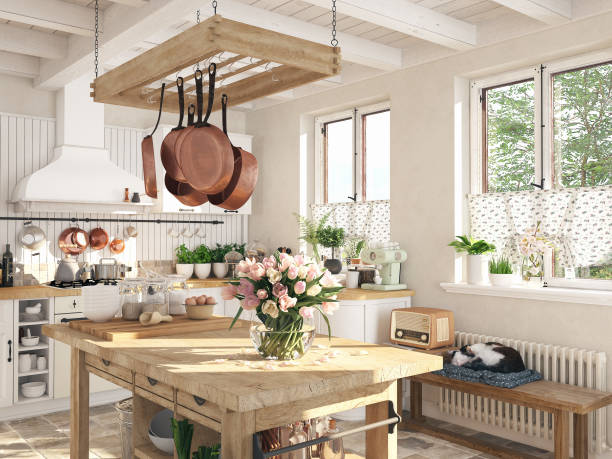
Hang artwork, add plants (herbs on windowsills are both pretty and practical), and display things that mean something to you. If you’ve got open shelving, style it with nice dishes or vintage finds. Make your kitchen feel like yours, not a showroom.
Creating a Homely Atmosphere
Little things matter—nice tea towels, a bowl of fresh fruit, flowers on the worktop. Mix textures: smooth glass with rough ceramic, polished metal with natural wood. These touches transform your kitchen from magazine-perfect to genuinely homely.
Tip 9: Create a Social Space
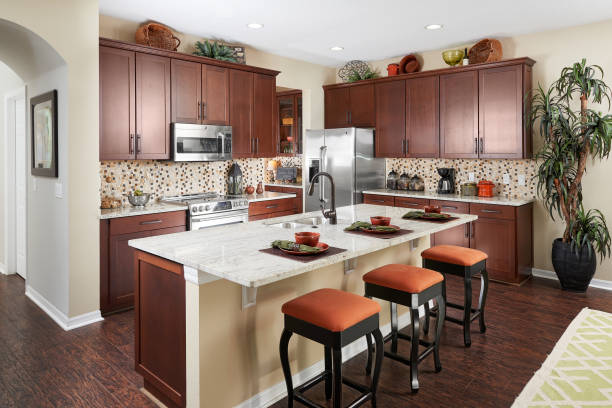
There is a white island in the middle of the kitchen with a sink and three place mats on it. On the placemats, there is a plate, a bowl, and a linen with silverware in it. Accompanying each placemat there is a orange, plush barstool with four curved black legs. The cabinets are a deep brown color with vertical handles. The drawers are the same color with silver horizontal handles. On the kitchen counter, there is a coffee maker, jars, glass fruit, a glass lantern, and a colander. There is a silver microwave above the stove, and nestle in the corner of the frame stands the refrigerator.
Kitchen Islands and Breakfast Bars
Islands create natural gathering spots without people getting in your way. You need 120cm clearance around all sides. For seating, extend the worktop 30cm and space stools 25-30cm apart. Different heights work well—standard 90cm for prep, 105cm for bar seating.
Designing for Gatherings
Position seating where guests can chat without blocking your work triangle. Good lighting over social areas creates intimacy. Add a wine fridge or coffee station that guests can access themselves. The best design lets you cook whilst staying part of the conversation.
Tip 10: Keep It Organised and Minimal
Decluttering Strategies
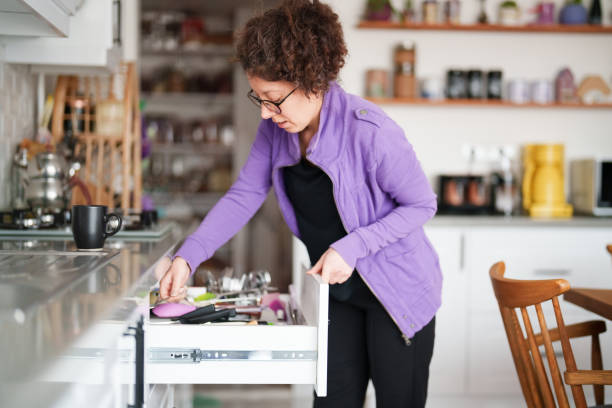
Be ruthless. If you haven’t used that gadget in years, donate it. Try “one in, one out”—buy something new, something old goes. Give everything a home and use drawer dividers to maintain order. Do a quarterly clear-out. It’s amazing how much lighter your kitchen feels without unused clutter.
The Beauty of Simplicity
Keep worktops clear except for daily essentials. Everything else lives in cupboards. This isn’t about being sterile—it’s being intentional. Every visible item should be beautiful, useful, or both. Clear surfaces make cleaning quicker and your kitchen feel more spacious.
Common Mistakes to Avoid
Don’t skimp on worktop space beside your hob and sink. Inadequate lighting makes everything harder. Insufficient storage leads to cluttered worktops. Ultra-trendy colours date quickly. Poor ventilation creates long-term problems. And install enough plug sockets—you’ll always need more than you think.
Conclusion
Getting your kitchen design right genuinely improves daily life. Take time with big decisions like layout and materials. Don’t chase every trend—think about what works for your actual life. Get professional help for complicated bits. Your kitchen is a proper investment in your home and happiness. Get it right, and you’ll love using it every single day.
FAQs
What’s the most important element to get right?
Layout, hands down. You can easily change colours or upgrade appliances, but altering the layout means starting from scratch. Get the bones right first.
How can I make a small kitchen feel larger?
Use light colours, good lighting (especially under-cabinet strips), and keep worktops clear. Handleless cabinets create streamlined looks. One cohesive colour scheme throughout helps too.
Should I follow kitchen design trends?
Take inspiration but don’t follow blindly. Incorporate trends through easily changeable things like accessories or wall colour, not permanent fixtures like cabinets. It’s your kitchen—if you love something, go for it.
How do I choose countertop materials?
Think about how you cook. Quartz is brilliant for most—hard-wearing and low maintenance. Granite needs occasional sealing. Wood requires regular care. Marble looks stunning but stains easily. Get samples and be honest about your maintenance tolerance.